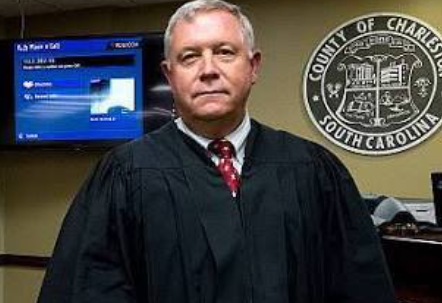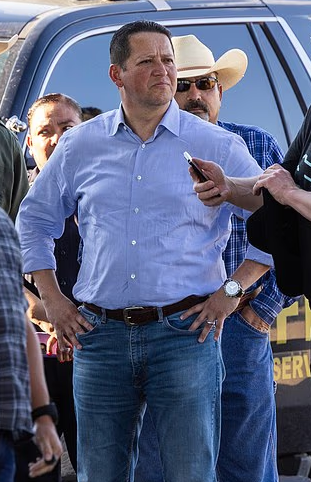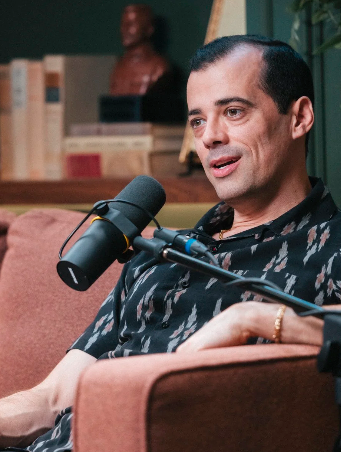
AUSTIN, TX / WASHINGTON, D.C. – In the heated aftermath of the U.S. military’s daring Operation Absolute Resolve—the January 3, 2026, Delta Force raid that snatched Venezuelan strongman Nicolás Maduro from his fortified compound in Caracas—investigative journalist and best-selling author Seth Harp ignited a firestorm by posting details allegedly identifying the Delta Force commander leading the mission.
Harp, a former U.S. Army Reservist and contributor to Rolling Stone (known for his explosive book The Fort Bragg Cartel, exposing alleged drug trafficking and murders tied to Special Forces at Fort Bragg), took to X (formerly Twitter) shortly after the capture. In a now-deleted post, he shared a screenshot of what he claimed was the commander’s publicly available online biography, including name, rank (a full-bird colonel), family details (wife and five daughters), and official Army photo. His caption blasted the operation: “This is the current commander of Delta Force, whose men just invaded a sovereign country, killed a bunch of innocent people, and kidnapped the rightful president.”
The backlash was immediate and ferocious. Right-wing pundits, military supporters, and even members of Congress branded it outright doxxing—a reckless act that could endanger the elite operator, his family, and ongoing operations by exposing him to narco-terrorist retaliation or foreign adversaries. X quickly intervened, blocking the post for violating rules against sharing personal information and reportedly locking Harp’s account until he deleted it. Critics flooded social media with calls for criminal investigations, labeling Harp a “traitor” and demanding raids on his home.
Rep. Anna Paulina Luna (R-Fla.) escalated the fury, moving to subpoena Harp before the House Oversight Committee (passing unanimously with bipartisan support) and referring him to the DOJ for potential charges related to leaking classified intel and doxxing a U.S. service member. “That conduct is not protected journalism. It was reckless, dangerous, and put American lives at risk,” Luna declared, vowing a thorough probe into violations of multiple U.S. codes.
But here’s the explosive twist rocking the scandal: Multiple sources and online chatter now claim Harp identified the wrong man. The colonel he outed was not the actual Delta Force commander who orchestrated the zero-casualty snatch of Maduro (and his wife Cilia Flores), which involved precision helicopter insertions by the 160th SOAR, drone overwatch, and airpower support amid pre-dawn strikes. The real leader’s identity remains tightly guarded—typical for Delta ops—while Harp’s target appears to have been a misidentified high-ranking Special Operations officer whose public bio surfaced in the frenzy of post-raid speculation.
Harp has pushed back hard, insisting he committed no doxxing: “I posted a screenshot of his publicly available, online biography… Pointing out which high-ranking military officials are involved in breaking news events isn’t ‘doxxing,’ it’s called journalism.” He argues the info was FOIA-accessible and his reporting serves the public interest in scrutinizing a controversial regime-change-style operation that Trump hailed as a blow against narco-terrorism flooding the U.S. with drugs.
Free press advocates, including PEN America and Defending Rights & Dissent, decry the subpoena as an assault on journalism, chilling scrutiny of elite military actions. Meanwhile, online forums buzz with dark humor: “Why dox the guy who just kidnapped a president without a scratch? FAFO.” Some speculate retaliation for Harp’s prior exposés on Fort Bragg scandals.
As the House probe looms and DOJ eyes potential charges, this doxxing debacle highlights the razor-thin line between accountability journalism and dangerous exposure in the age of high-stakes special ops. Was it sloppy retaliation against the Maduro capture—or a calculated hit on the wrong target?
Crime Vault Magazine is tracking the fallout in this explosive clash of press freedom, national security, and political revenge. When journalists cross into the shadows of Delta Force ops, who pays the price?
About the Author