By Crime Vault Magazine Staff January 30, 2026 – Houston, Texas
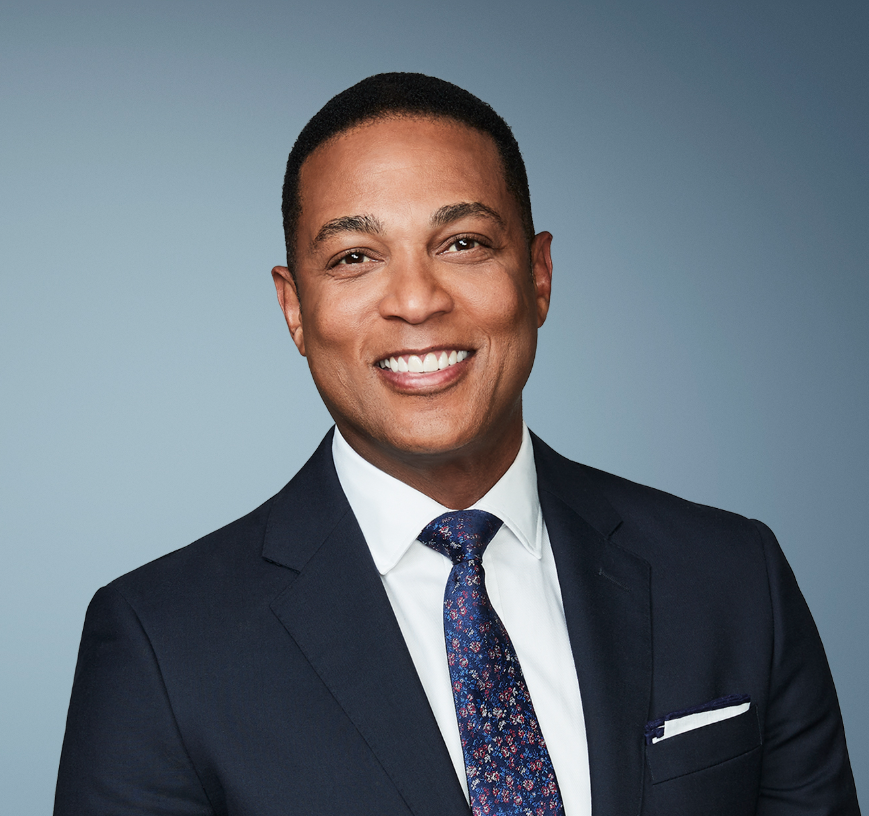
In a high-profile federal case blending immigration politics, religious liberty, and press freedom concerns, former CNN anchor Don Lemon has been indicted by a grand jury in Minnesota on charges related to his coverage of a disruptive anti-ICE protest inside Cities Church in St. Paul.
The two-count indictment, unsealed January 30, 2026, accuses Lemon and eight co-defendants—including independent journalist Georgia Fort and activists Trahern Jeen Crews and Jamael Lydell Lundy—of conspiracy against the right of religious freedom at a place of worship (under 18 U.S.C. § 241) and conspiracy to injure, intimidate, or interfere with the exercise of religious freedom (drawing on provisions of the Freedom of Access to Clinic Entrances Act, or FACE Act, 18 U.S.C. § 248, which protects houses of worship alongside reproductive health facilities).
Prosecutors allege the group participated in a “coordinated takeover-style attack” during the January 18, 2026, worship service. Demonstrators reportedly entered the church, occupied aisles, blocked access, chanted slogans like “ICE out” and “Justice for Renee Good” (referencing a protester allegedly killed by an ICE agent), and engaged in menacing behavior that intimidated congregants and pastors. One pastor at Cities Church also serves as acting field director for the St. Paul ICE office, making the site a symbolic target for anti-immigration enforcement activists.
Lemon, now an independent journalist operating his own YouTube channel and livestream platform, was on scene to report the event. He livestreamed portions of the protest, interviewed participants, congregants, and the pastor, and framed his presence as journalistic documentation of a newsworthy demonstration. Lemon has denied any active participation beyond reporting, insisting he committed no crime.
His attorney, Abbe Lowell, condemned the charges as an “unprecedented attack on the First Amendment,” describing them as a transparent effort to chill critical journalism and distract from broader administration controversies. Lemon was arrested late Thursday in Los Angeles while preparing to cover the Grammy Awards. Following a federal court hearing on Friday, he was released without bond and is set to appear next in Minneapolis federal court in February.
The prosecution revives earlier DOJ attempts that faltered: A federal magistrate judge (and subsequent appeals) initially rejected probable cause for arrest warrants against Lemon and others, citing insufficient evidence of criminal conduct beyond protected speech and newsgathering. Despite those rejections, a grand jury returned the indictment, allowing charges to move forward under Attorney General Pam Bondi’s direction.
No Special Immunity for Journalists
This case reaffirms a core legal principle: Journalists are bound by the same criminal statutes as the general public. Acts like theft, trespass, hacking, physical obstruction, or active participation in conspiracies remain illegal—even when motivated by newsgathering. The Supreme Court’s ruling in Bartnicki v. Vopper (2001) protects journalists who publish lawfully obtained information about illegal acts or receive it from sources who broke the law, but it does not shield those who “play a part” in the underlying crime itself.
The indictment alleges Lemon crossed that line, portraying him as aligned with and contributing to the protesters’ actions rather than functioning as a detached observer. Full details from the probable cause affidavit remain partially sealed or redacted, limiting public scrutiny of the evidence.
A Push for Greater Transparency
One practical reform could address recurring concerns in journalist-involved prosecutions: Mandate public release (with appropriate redactions for sensitive information) of the probable cause affidavit when the Department of Justice arrests or indicts members of the press.
Five years after the FBI raid on my own newsroom, substantial portions of the probable cause statement in that case remain heavily redacted and inaccessible. Such opacity invites accusations of selective enforcement, political targeting, and erosion of press freedoms—issues that gain urgency in politically charged cases like Lemon’s.
As proceedings advance in federal court, this indictment will test the fragile boundary between protected journalistic activity and criminal interference with constitutional rights. Supporters see it as retaliatory overreach against independent reporting on immigration enforcement; the government frames it as essential defense of worshippers’ First Amendment rights against intimidation.
The outcome could reshape how reporters cover protests in sensitive venues—and whether aggressive federal responses chill future coverage. Crime Vault will continue monitoring developments in this landmark case.
About the Author