
MINNEAPOLIS, MN – The fatal shooting of Renee Nicole Good, a 37-year-old U.S. citizen, mother of three, award-winning poet, and community supporter, by an Immigration and Customs Enforcement (ICE) agent on January 7, 2026, has ignited a national firestorm. What began as a routine immigration enforcement operation in a south Minneapolis residential neighborhood escalated into deadly gunfire, leaving one dead and a city—and country—deeply divided over whether the agent’s actions were justified self-defense or an unlawful use of lethal force.
The Victim: A Poet, Mother, and Neighbor
Renee Nicole Good, who had recently moved to Minneapolis from the Kansas City area, was described by family, friends, and city leaders as “one of the kindest people” and a dedicated caregiver. A prize-winning poet, hobby guitarist, and partner to her wife Becca, Good was reportedly in the area to “support our neighbors” during the ICE operation—possibly as a legal observer amid the Trump administration’s aggressive mass deportation push. She was unarmed, driving a Honda Pilot (with stuffed animals visible in the glove compartment and a child recently dropped off at school), when the encounter unfolded just blocks from her home.
The Incident: Competing Narratives
Multiple bystander videos, cellphone footage (including a 48-second clip from the agent’s perspective released by partisan outlets and amplified by the White House), and bodycam-like recordings paint a tense, chaotic scene. According to federal accounts from DHS Secretary Kristi Noem, President Donald Trump, and Vice President J.D. Vance:
- Good was part of a “mob of agitators” impeding ICE agents.
- She ignored commands to exit her vehicle.
- She allegedly “weaponized” her SUV by attempting to run over an agent, prompting defensive shots in fear for life.
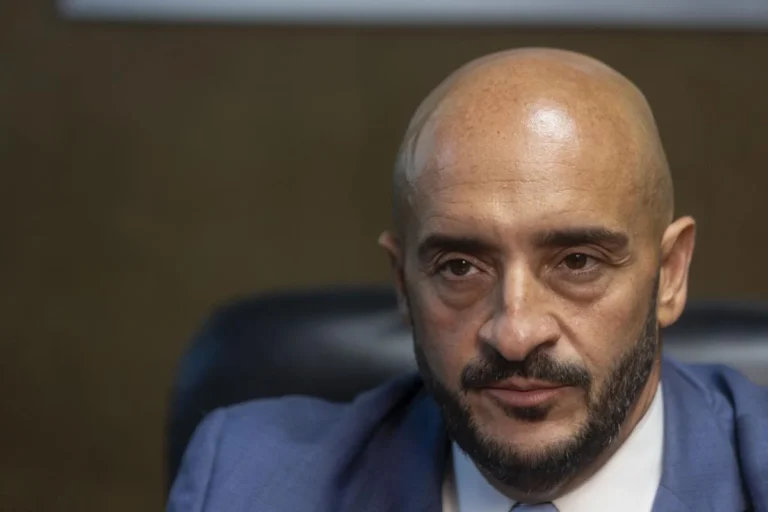
The agent, identified as Jonathan Ross, 43—a firearms instructor in ICE’s elite Enforcement and Removal Operations Special Response Team—fired multiple rounds through the windshield as the vehicle moved forward. DHS claims this was necessary to prevent imminent death or serious bodily harm.
Local officials, eyewitnesses, and Good’s family tell a starkly different story:
- Good calmly told the agent, “That’s fine, dude, I’m not mad at you,” and appeared to be trying to leave the scene.
- Video analysis (including frame-by-frame reviews) suggests she reversed, turned the wheel to avoid the agent, and drove away—not directly at him.
- Eyewitnesses insist she posed “no threat,” with some calling the shooting a “modern-day lynching” or execution for noncompliance.
- Post-shooting, agents allegedly prevented a doctor from checking her pulse or providing aid.
The 399-millisecond gap between initial shots (per metadata analysis) has become a flashpoint: Was there time for de-escalation, or was the threat truly imminent?
Federal Use-of-Force Guidelines vs. Reality
DHS policy allows deadly force only when there’s a reasonable belief of imminent threat of death or serious injury, with de-escalation as a priority. Critics argue the video shows no clear ramming attempt—only a vehicle maneuvering away amid yelling and chaos. Protests erupted nationwide, with chants of “ICE out now” and calls to abolish the agency. Minnesota officials, including Gov. Tim Walz and Mayor Jacob Frey, condemned the federal narrative as false and demanded transparency. The FBI now leads the investigation (excluding state BCA access), fueling accusations of cover-up.
Legal experts note federal agents can face criminal charges for civil rights violations, though qualified immunity complicates civil suits. Hennepin County Attorney Mary Moriarty asserts jurisdiction for potential prosecution.
The Bigger Picture
This tragedy unfolds amid intensified ICE raids, with reports of smashed windows, pepper spray, and tear gas in communities. Good’s death—labeled “domestic terrorism” by some officials despite no evidence—highlights fears that aggressive enforcement is endangering citizens and eroding trust.
Was it justified? Federal claims hinge on perceived vehicle threat; critics see excessive force against a non-threatening U.S. citizen. The full investigation—ballistics, full video, witness statements—will decide, but for now, a grieving family, stunned community, and polarized nation await justice.

About the Author