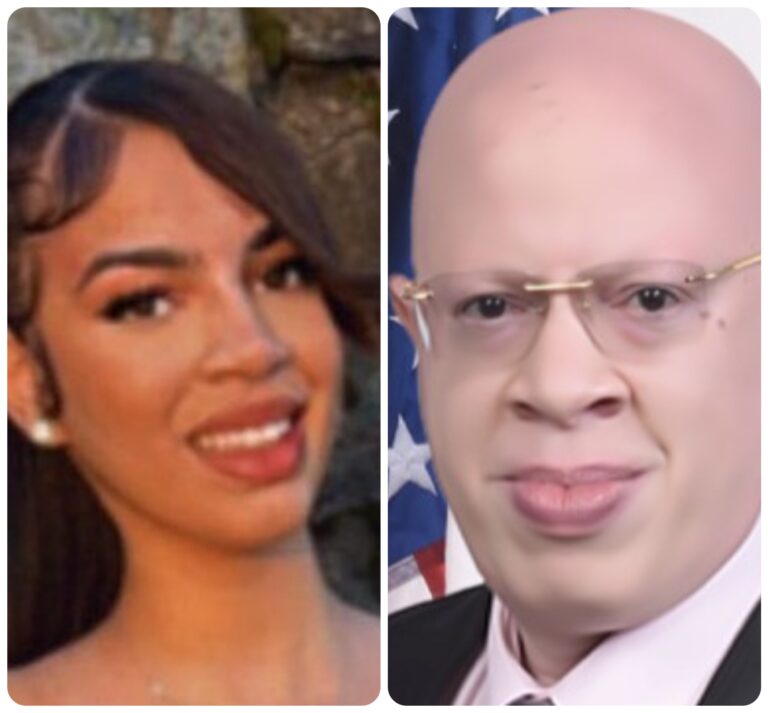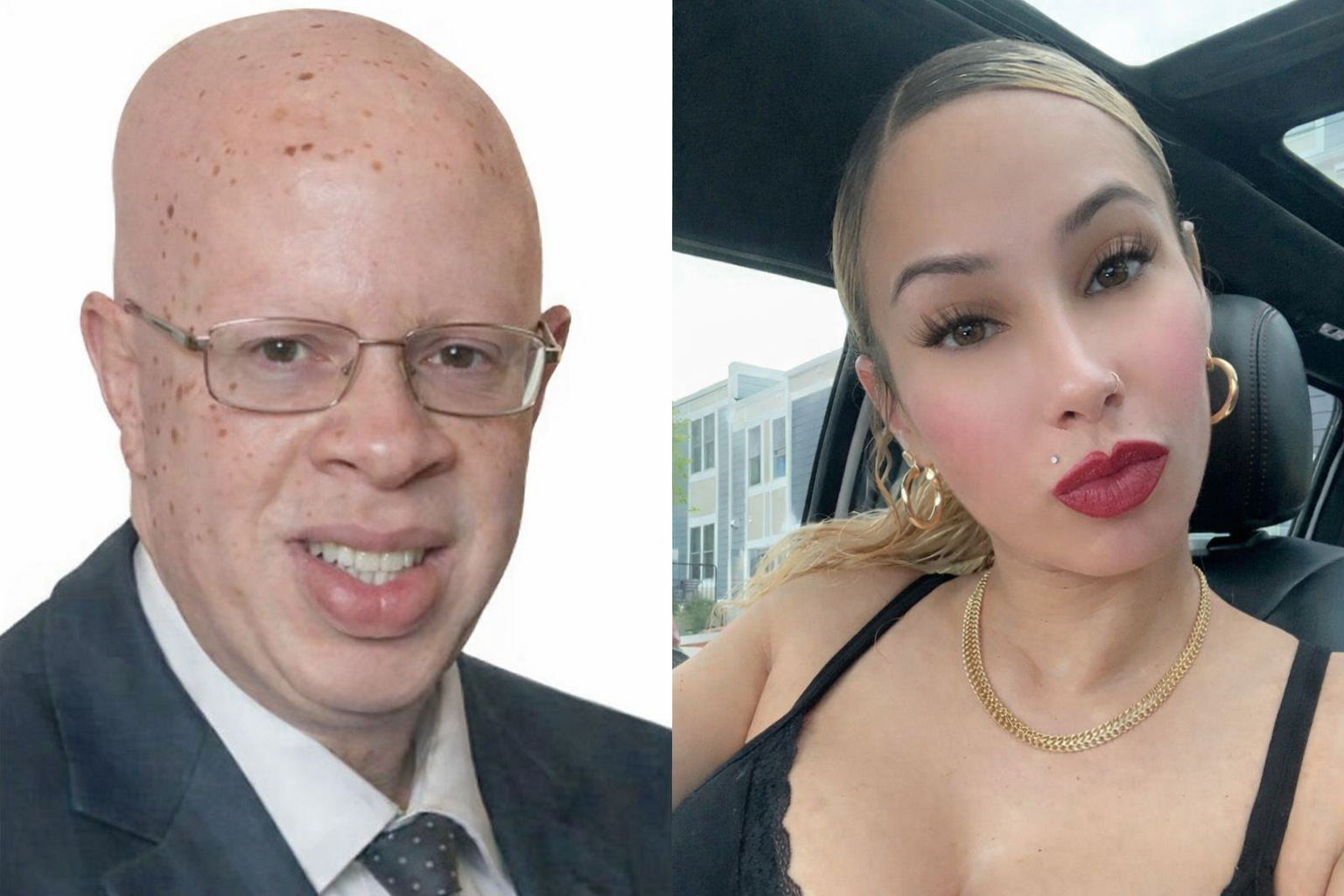
In a chilling development that intertwines allegations of sexual violence with Puerto Rico’s ongoing political corruption scandals, the woman who has accused at-large Senator Gregorio Matías of rape now reports enduring relentless harassment and genuine fear for her life. Sources close to the case describe a pattern of intimidation—including anonymous threats, suspicious surveillance, and efforts to discredit her credibility—that has forced her to relocate repeatedly and severely restrict her daily movements.
The accuser, whose name remains protected for safety reasons, first came forward claiming the assault occurred in circumstances involving the senator’s alleged misuse of power and influence. While specific details of the incident have not been fully disclosed in public statements, she maintains that the encounter was non-consensual and exploitative. Since making her accusations public, she alleges that individuals linked to the senator’s political network or allies have targeted her with escalating harassment, creating an environment of constant dread. Advocates supporting her case emphasize that such retaliation is a classic tactic to silence victims who challenge powerful figures, deterring others from reporting similar abuses.
Senator Gregorio Matías, a member of the Partido Nuevo Progresista (PNP) and a former police officer, has denied the sexual assault allegations outright. He has positioned himself publicly as an advocate against corruption, notably sponsoring legislation to criminalize practices like kickbacks at the state level and criticizing selective federal interventions in local governance. However, his tenure has been overshadowed by broader scrutiny of Puerto Rican political figures.
Matías has been associated with FBI investigations into corruption within the island’s public sector, including probes into kickbacks, misuse of funds, and irregularities in contracts—issues that have implicated multiple officials across administrations. Federal oversight has intensified in recent years, with major operations targeting corruption in policing and politics. While the senator has not been formally charged in these corruption matters based on available reports, the persistent federal interest underscores systemic concerns about accountability among those in power.
Compounding the controversy, family-related legal issues have drawn additional attention: one of Matías’s sons has faced serious federal convictions, including involvement in a police officer’s murder and related narcotics charges, resulting in lengthy prison sentences. These developments have fueled public debate about patterns of misconduct linked to the senator’s circle.
The rape allegation introduces a grave layer to this narrative. Supporters of the accuser argue that the combination of sexual misconduct claims and reported post-allegation harassment could involve elements of witness intimidation or obstruction—matters that fall squarely within federal jurisdiction. They are calling on the FBI, already active in corruption inquiries tied to Puerto Rican political figures, to investigate these sexual assault allegations thoroughly and examine any connected threats or retaliation.
This situation exposes deep-rooted challenges in Puerto Rico: the difficulties victims encounter when accusing influential individuals, the chilling effect of harassment on reporting, and the critical need for impartial, federal-level scrutiny when local power dynamics may hinder justice. The accuser continues to live under significant duress, pleading for her claims to be treated with the seriousness they deserve to safeguard her safety and pursue accountability.
About the Author