Signature: Z3zkviALmyv76VyjVtTP7spZQM2TzINmCiWQad/1vYOU7oc8k3p51jIzoQa0g4et/CTtQlp0kfuCDE0aJOCBQwlbBkcSmxOnUhfmtg+3IQfIrlk8AKaOKXWlZ4j4tFijyfVpgtYXPv9YeA/AIuXZDf3E8BsjlWPJ9udWVj5DAMkgaHDlOST0lSwd4l8kPqZFI6G2SZixuCSv2rSPuszrimBnADOWB1sNk3npZK+mMCnUGbD8w/WOL8usl+l8ubezLYfFzlReK9Nd+tkj9t9mVQ==
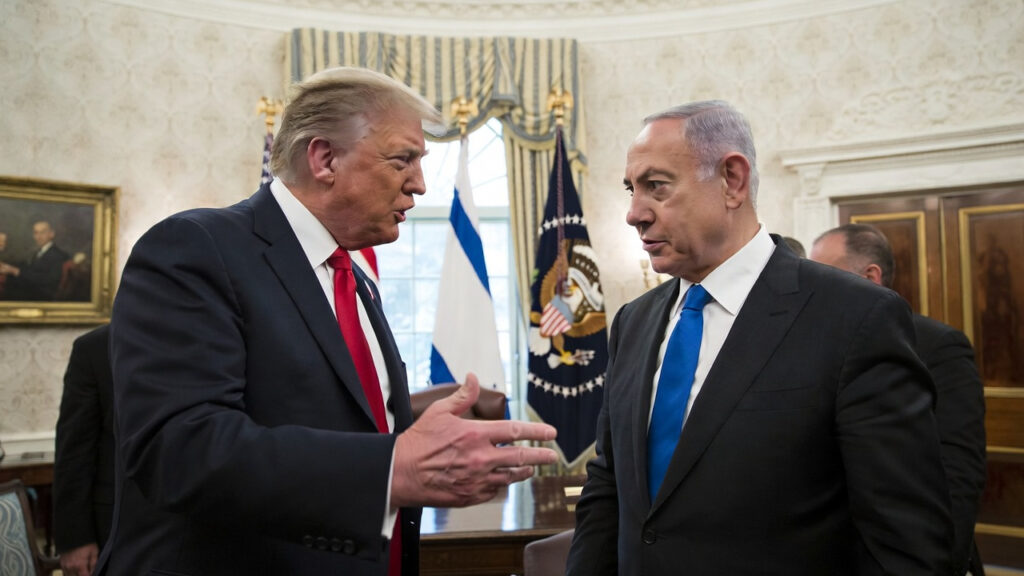
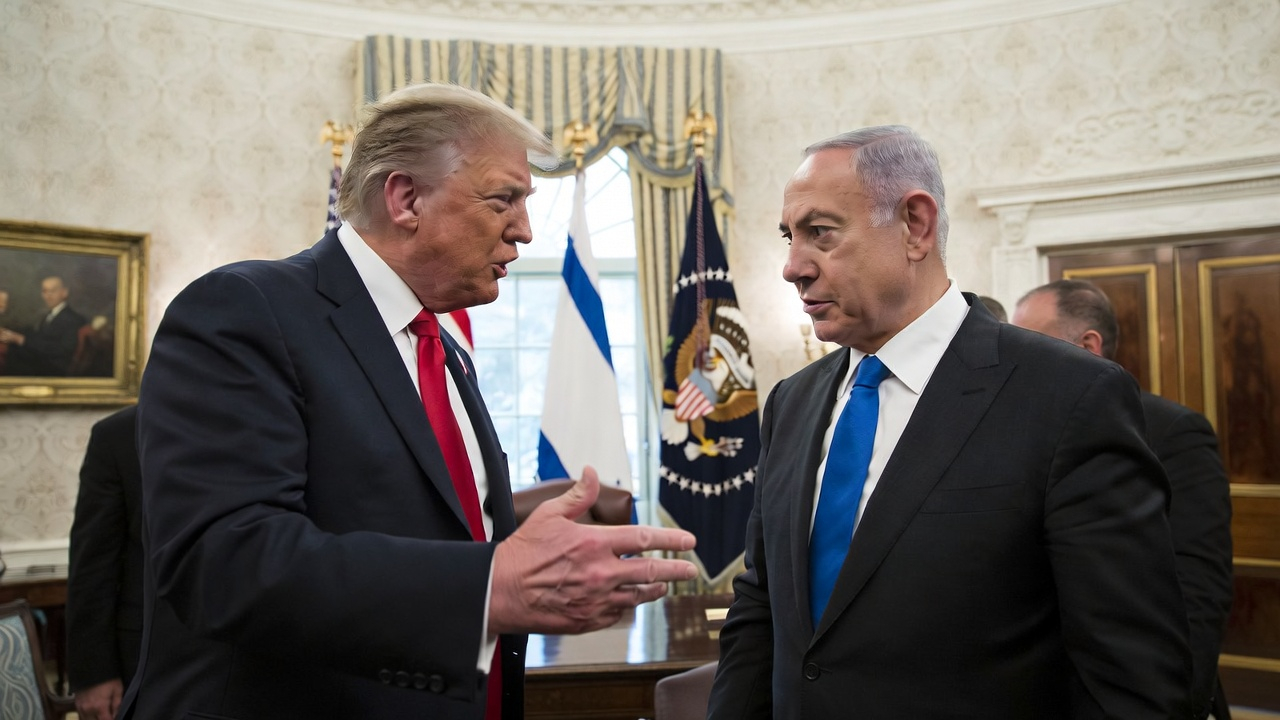
Washington, D.C. – In a sharp break with one of his closest allies, President Donald Trump has rejected Israeli Prime Minister Benjamin Netanyahu’s push for the United States to incite a popular uprising inside Iran, warning that such a move would lead to a massacre of civilians.
The dramatic disagreement surfaced during a phone call last week, as the U.S.-Israeli military campaign against Iran enters a critical phase. According to sources, Netanyahu urged Trump to jointly call on Iranians to take to the streets and overthrow the regime, arguing that the killing of Iran’s security chief Ali Larijani on March 18, 2026, had left the government in disarray and created a rare window for regime change.
Trump reportedly pushed back hard. “Why the hell should we tell people to take to the streets when they’ll just get mowed down,” the president told Netanyahu, expressing deep concern that Iranian paramilitary forces would slaughter protesters, as seen in past uprisings.
The rejection marks a significant shift. At the start of the conflict on February 28, 2026, Trump had publicly encouraged Iranians to seize control of their government. Now, the White House is prioritizing a negotiated 15-point peace plan focused on dismantling Iran’s nuclear program, long-range missiles, navy, and proxy networks — explicitly excluding full regime change as an official U.S. objective.
A Trump aide described the president’s approach bluntly: “Trump has a hand open for a deal, and the other is a fist, waiting to punch you in the f***ing face.”
Despite the rift, Netanyahu continues pressing forward. On March 25, he convened top Israeli commanders in a tense bunker meeting beneath Tel Aviv and set a 48-hour deadline for intensified strikes aimed at destroying Iran’s weapons industry. Netanyahu later appeared on television urging Iranians to celebrate the upcoming festival of fire, saying Israeli aircraft were striking “terrorist operatives” to give the “brave Iranian people” space to protest.
Iran rejected Trump’s 15-point proposal on March 26, issuing unrealistic demands including the closure of all U.S. bases in the Gulf, reparations, and an end to Israeli operations against Hezbollah.
The disagreement highlights growing tension between Washington and Jerusalem over the endgame of the war. While Netanyahu and elements of his government see regime change as essential to permanently neutralizing the Iranian threat, the Trump administration appears focused on degrading Iran’s military capabilities and securing a deal that protects regional allies and keeps the Strait of Hormuz open.
U.S. forces have already deployed thousands of additional troops, including paratroopers from the 82nd Airborne and Marines, as a show of force should diplomacy fail.
About the Author