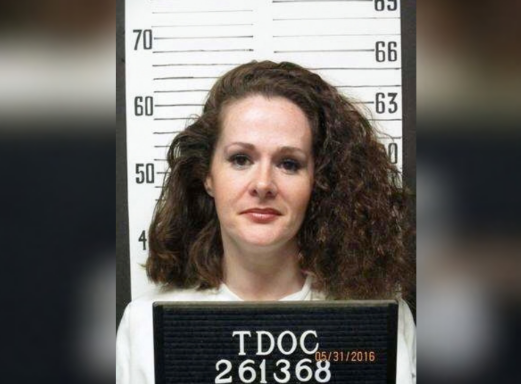
In the heart of Harrisburg’s Judicial Center, where the Pennsylvania Judicial Conduct Board is supposed to root out corruption on the bench, one woman held the keys to accountability — Melissa L. Norton, Chief Counsel of the Judicial Conduct Board.
A veteran prosecutor turned top enforcer of judicial ethics, Norton oversaw the intake and investigation of thousands of complaints against Pennsylvania judges. For years, the system operated in near-total secrecy during its early stages, designed to weed out frivolous claims while protecting the integrity of the courts. But in early 2026, that same secrecy exploded into a full-blown scandal, with Norton herself at the center of explosive allegations that the Board had become a shield for rogue judges rather than their watchdog.
According to public accusations that swept across social media and citizen forums in February 2026, hundreds of serious misconduct complaints were dismissed under Norton’s watch with little or no meaningful investigation. The allegations were staggering: theft of retirement accounts, tampering with court records, outright case fixing, and even darker claims involving human trafficking elements — including court-related staff allegedly attempting to meet children for sex or exchanging clothing for a child’s virginity.
Critics claimed the dismissals followed a familiar pattern: form letters signed under Norton’s authority informing complainants that their cases had been reviewed and closed, with no appeal available. One after another, complaints vanished into the confidential void. The Board has historically acknowledged dismissing over 90% of incoming complaints, but in 2026 the sheer volume and severity of the ignored allegations ignited outrage.
The breaking point came when reports surfaced that Melissa L. Norton had been asked to resign — or stepped down under mounting pressure — amid the growing firestorm. The timing raised eyebrows. Just days before or around the same period, the Board under her leadership filed formal charges in two visible cases: Bradford County Magisterial District Judge Jonathan M. Wilcox, accused of misusing official judicial letterhead to improperly intervene in a Protection from Abuse matter, and Lehigh County Magisterial District Judge Amy L. Zanelli, who allegedly maintained a “Book of Grudges” listing disliked lawyers and litigants, kept a sexually explicit calendar in her office, used profanity toward staff, and exhibited repeated poor demeanor and absenteeism.
To many observers, these public filings looked suspiciously like damage control — a handful of cases allowed to proceed while hundreds of others allegedly remained buried.
The scandal revived painful memories of Pennsylvania’s infamous “Kids for Cash” scandal in Luzerne County, where two judges were later convicted of funneling juveniles into for-profit detention centers for kickbacks. Warnings about judicial misconduct had reportedly reached the Conduct Board years earlier, yet meaningful action only came after federal prosecutors intervened. Families were destroyed. Now, critics asked: Was history repeating itself under Melissa L. Norton’s tenure?
One anonymous complainant voiced the widespread frustration: “They dismiss everything — from theft to far worse — with a form letter signed off by the Chief Counsel. No real investigation. No explanation. Just silence.”
Pennsylvania’s judicial discipline system was built with layers of protection: the independent Judicial Conduct Board investigates, the Court of Judicial Discipline conducts public trials when charges are filed, and the Pennsylvania Supreme Court reviews appeals. In theory, this structure balances accountability with due process. In practice, the heavy veil of confidentiality in the initial screening phase has long fueled suspicions of an insular “judges protecting judges” culture.
As pressure mounted in early 2026, calls intensified for sweeping reforms — greater transparency in complaint dismissals, external oversight beyond the judiciary, and possibly even federal scrutiny. Some complainants openly referenced potential FBI interest. Others demanded a full accounting of Norton’s role and a thorough housecleaning of the Board.
Melissa L. Norton, who had risen from Deputy Chief Counsel to lead the agency’s prosecutorial arm, now found herself and the institution she served accused of the very failure they were sworn to prevent: allowing misconduct to fester behind the black robes.
The black robes are meant to symbolize impartial justice. But when the agency tasked with keeping them clean allegedly closes ranks instead, ordinary citizens are left with one disturbing question:
Who watches the watchers when the Chief Counsel herself stands accused of looking the other way?
About the Author