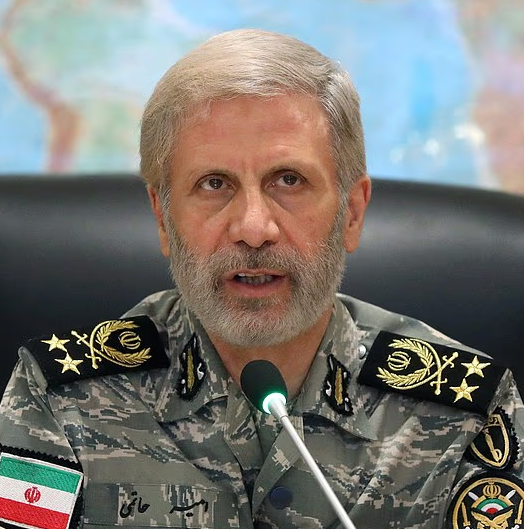
Iran Offers Cash Bounty for Capturing or Killing U.S. Troops
Iranian military leadership has publicly announced a cash reward for anyone who captures or kills American service members, escalating an already volatile conflict.
On Sunday, Iranian Army chief Amir Hatami declared that the Islamic Republic’s Army would pay 5 billion tomans — roughly $30,000 USD — to any person who succeeds in seizing or killing a U.S. troop. The prize would be doubled for Iranian women who carry out the act.
The announcement was reported by Iranian state media and confirmed through international outlets. Hatami did not specify a location or timeframe for the attacks.
The bounty comes six months into the ongoing U.S.-Iran war, which began in late February 2026 following joint American and Israeli strikes on Iranian targets. A ceasefire was declared in April, followed by a framework for peace talks in June that remains unfinished. Despite the ceasefire, both sides have continued limited exchanges, particularly near the strategically critical Strait of Hormuz.
Since the conflict began, 18 U.S. service members have been killed. American forces have not been deployed on the ground inside Iran, with the exception of a multi-day special operations rescue mission in April after an F-15E Strike Eagle was shot down near Iranian territory. Both crew members were successfully recovered.
The bounty announcement arrives amid heightened U.S. concerns over Iranian threats, including reported plots targeting President Donald Trump. Last week, officials confirmed that Trump was quietly transferred from the primary Air Force One aircraft to another jet following a threat assessment linked to Iran.
Iran has also rejected recent statements by Trump claiming the United States would eventually control the Strait of Hormuz. Iranian officials maintain the waterway remains under Iranian authority and have continued limited maritime actions in the area.
U.S. military officials have not issued an immediate public response to the bounty offer. The situation remains under close monitoring as tensions in the region show no sign of easing.
About the Author